Watchtowers

Nerja preserves a set of five watchtowers used by both the Nasrids and the Castilian reconquerors to defend the coast. Dating from between the 16th and 18th centuries, they have undergone various reconstructions according to the military needs of the time. We can find the Caleta Tower, the Pino Atalaya Tower, the […] Tower.
Hoya de los Muertos and Cuesta de la Matanza
Near Moclinejo, La Hoya de los Muertos and La Cuesta de la Matanza are well worth a visit. They were the scene of the defeat of the Christian troops of the Adelantado de Antequera in their attempt to wrest these lands from the Arabs. According to some historians, the name Moclinejo derives from the Arabic term […]
El Manchón de las Minas
It is located just two kilometres from the town. Here we find the mouths of some silver mines that, according to legend, had to be closed because there was more water than they could drain and it made the work difficult.
Torre de la Atalaya, Los Romanes
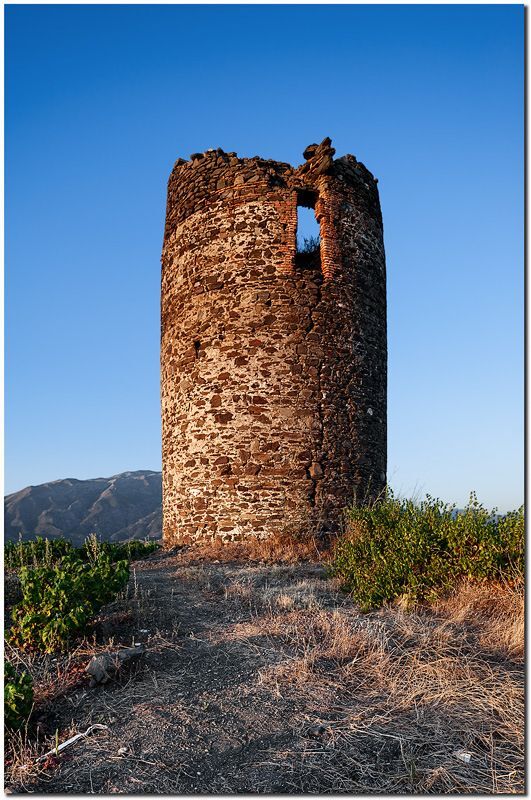
It dates back to the 15th century. It is a watchtower of Arab construction, built to defend the lands of Zalia from possible invasions from the coast. The tower is built with slate rocks forming circular roofs with lime mortar. It preserves a corbel from the machicolation that defends a door located at a height of about 6.5 metres, […]
St Joseph's Church
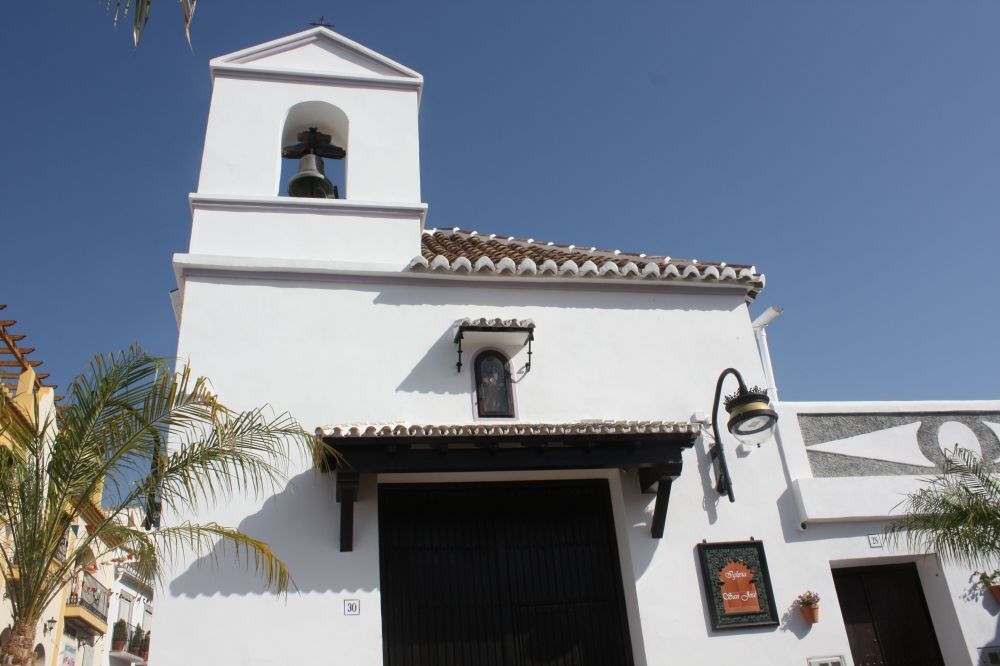
The Mudejar-style Church of San José was built in the 18th century (1731). It has a very simple structure, with a rectangular floor plan and wooden roof. It underwent restoration in the first third of the 18th century, and the bell gable to the left of the main façade, also built in that period, dates from that time.
Church of San Juan Bautista
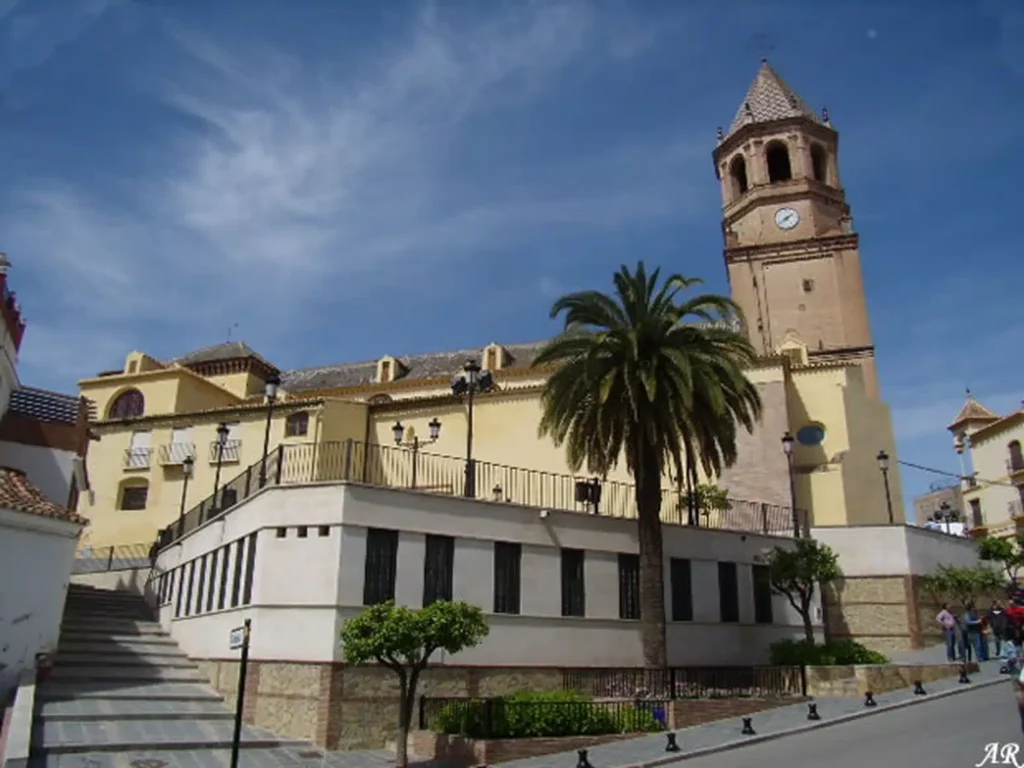
The original church, in Gothic-Mudejar style, was built in 1487 on the site of an old medieval mosque. At the beginning of the 16th century, it underwent a renovation, during which its impressive bell tower was built. The church has three naves with six sections, the central one being the highest and widest, separated by transverse arches […]
La Fuente Street
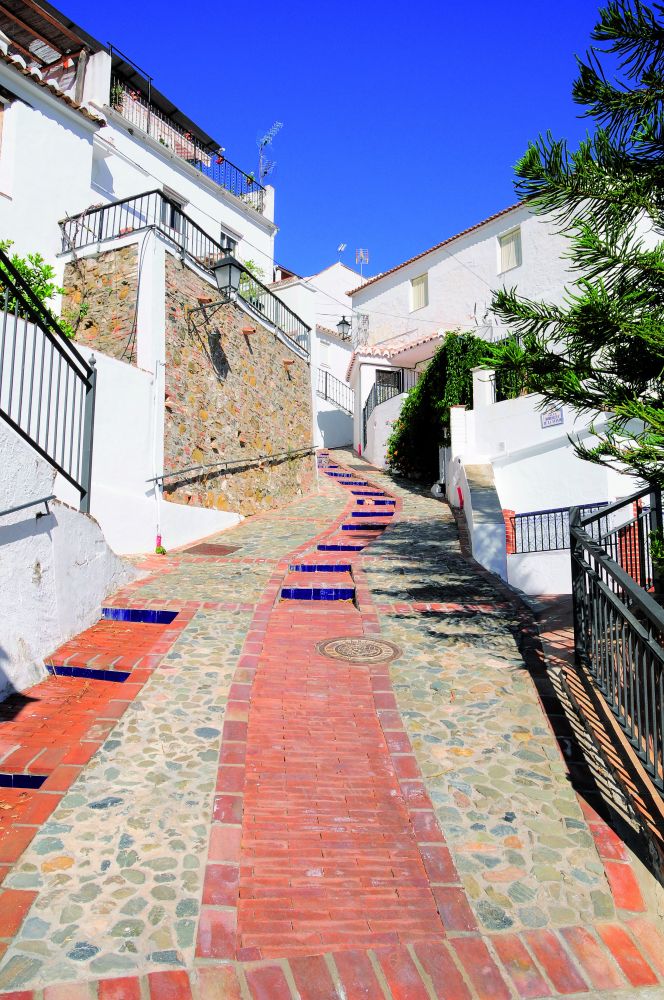
It is the main artery of the municipality, crossing it from one end to the other, and most of the other streets lead to it, serving as the boundary between the upper and lower neighbourhoods. It gets its name because it is the road that leads to the Fuente Árabe (Arabic Fountain). The pavement is made of pebbles, brick and marble, […]
Arrabal Cross

It is a small temple with semicircular arches on different sides, which houses a simple cross inside. Dedicated to the Cross, it commemorates King Ferdinand's entry into the city on 3 May 1487. Of the five that were built, only two remain, this one and the Cordero, [...]
Algorfa Arabic
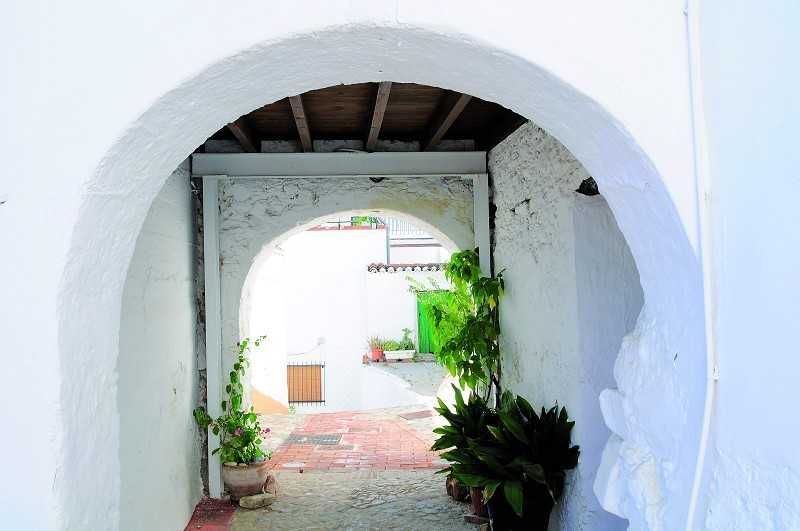
It is an old Moorish granary, which nowadays connects two streets, and is one of the best examples of the Moorish legacy in the Axarquía.
Virgen de los Remedios Chapel
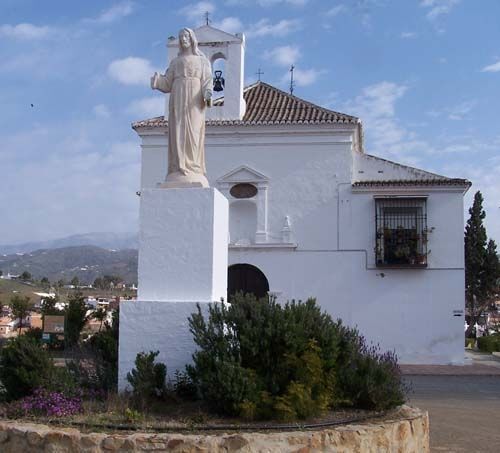
It was built in the mid-17th century on the summit of Cerro de San Cristóbal, although it underwent significant renovations later on. The ancient image of Nuestra Señora de los Remedios was brought from the city of Granada in 1592, and the numerous miracles attributed to the image meant that it had to be displayed for public worship. Its […]
 English
  Spanish
  French
  German