
Santa Fiora Botanical Garden
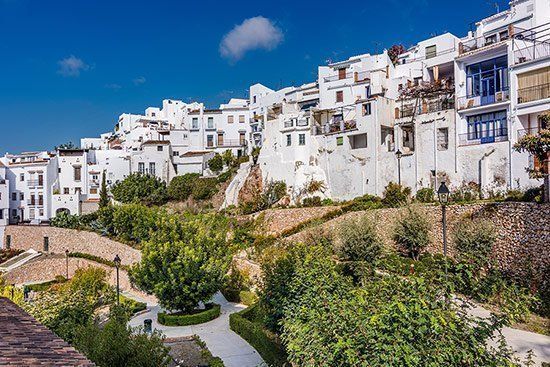
The idea behind this garden is to bring together a selection of plants that have been useful to the inhabitants of Frigiliana over the last few centuries, whether for food, medicinal purposes, basketry, shoemaking, the silk industry (which reached its peak during the Muslim period), paper manufacturing, etc.
Plaza del Barrio Alto

One of the most picturesque squares in Arenas, a meeting place for locals where we can cool off thanks to its central fountain. From here, we can observe traditional Andalusian architecture, with centuries of history, houses with whitewashed façades and ceramic roofs that follow one another in no apparent order to create a unique atmosphere of winding streets to […]
Fuente del Cid
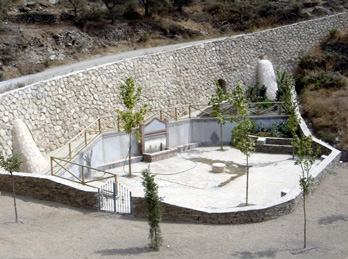
This fountain was the main source of drinking water for the population during the Arab period, which is why it was built at that time. Legend has it that El Cid Campeador drank water from this fountain during one of his visits to the area. The oil that comes from the olive trees found […]
Mirador de los Arcos
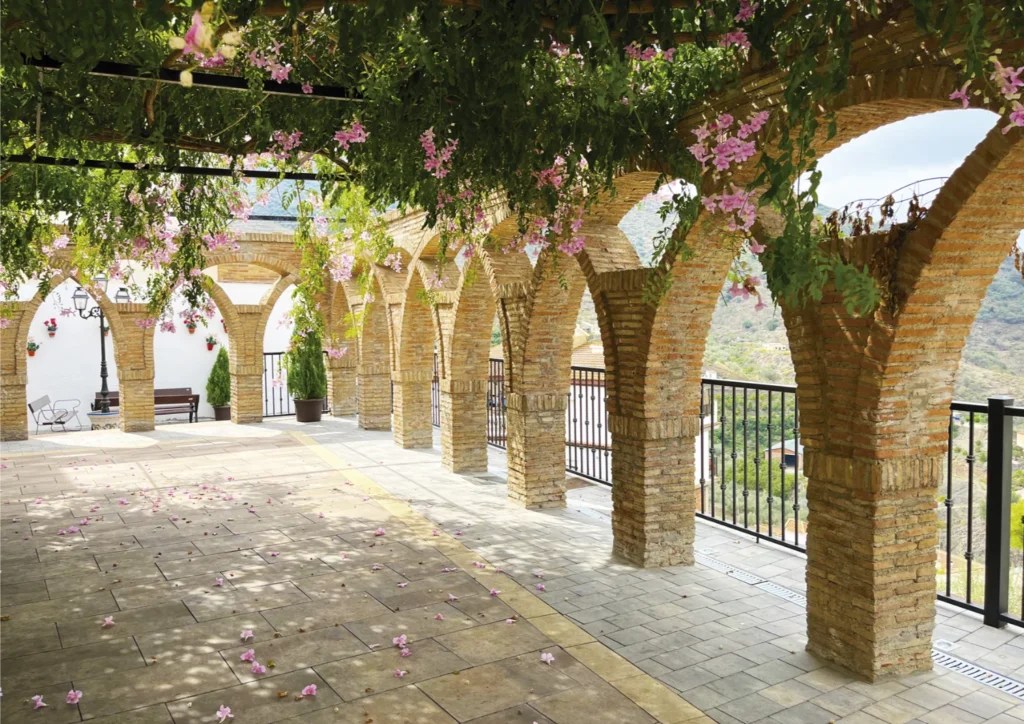
A meeting and entertainment place for our elders, which invites us to take a break and enjoy the views offered by this peculiar balcony.
Cemetery viewpoint
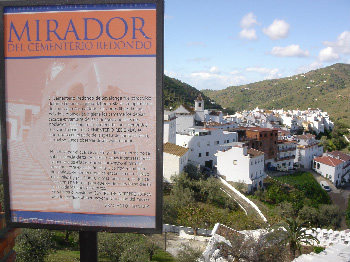
Built in 2002, this viewpoint on the outskirts of the village in the direction of Competa offers visitors splendid panoramic views of all the villages and mountains in the area. It is located above the Redondo Cemetery in Sayalonga and offers open views towards the Sierra Almijara, Corumbela, […]
Archaeological Museum of Frigiliana
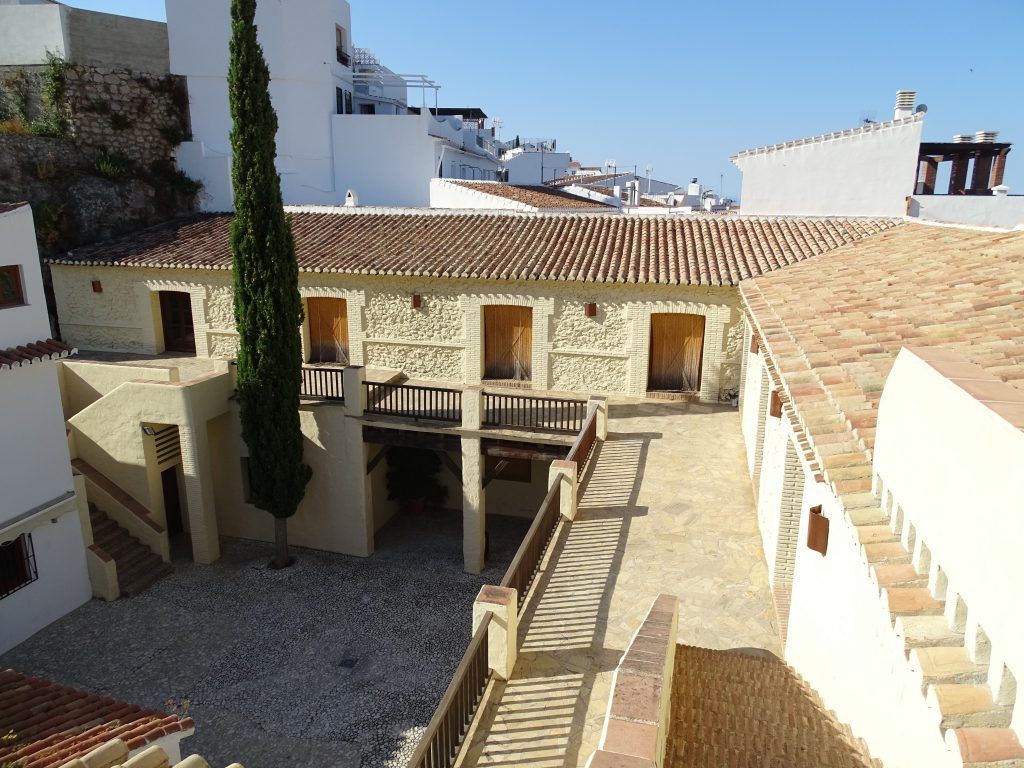
The main objective of the Archaeological Museum of Frigiliana (MAF) is to disseminate the cultural and historical heritage of this municipality, to promote its knowledge, protection and conservation, and the collections exhibited in the MAF facilities allow a journey through the history of Frigiliana expressed through the main archaeological sites of the municipality.
Large Source

La Fuente Grande, of medieval origin and listed as a Protected Historical Heritage Site, is a square structure with an octagonal bulbous roof. Its interior retains masonry walls and a hemispherical dome supported by pendentives. The water, which comes from underground, is used for irrigation and, although its flow is low, it never […]
Alcuza Alley
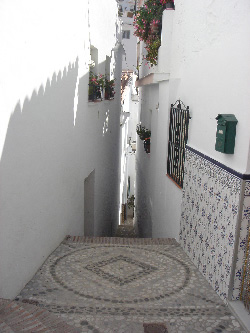
This alley is one of the narrowest in the Axarquía region. At only 55 cm at its narrowest point, its funnel shape gives it its name, ALCUZA, in Arabic. It is located among one of the many narrow streets that criss-cross the Plaza de la Constitución, next to the Tourist Office or the […]
Round Cemetery
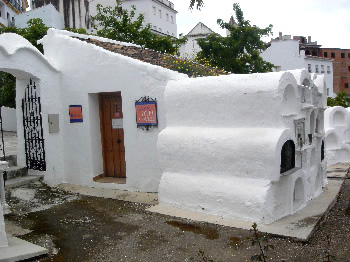
It is probably one of the only round cemeteries in Spain and stands out for its traditional architecture. It is one of the most visited monuments in the Axarquía region, with more than 3,000 visitors a year. Right at the entrance to the cemetery is the SAYALONGA ROUND CEMETERY INTERPRETATION CENTRE. This Interpretation Centre will explain […]
San Cayetano Chapel
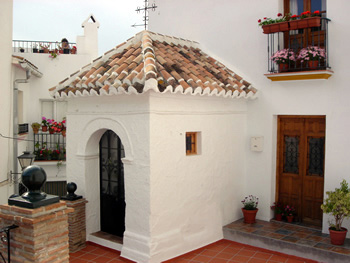
The chapel of San Cayetano was most likely built in the 16th century. It was dedicated to Christian worship during the coexistence of Christianity and Islam, or perhaps it was dedicated to another saint. Currently, it houses an image of San Cayetano, a 16th-century statue.
 English
  Spanish
  French
  German