Historic Old Town
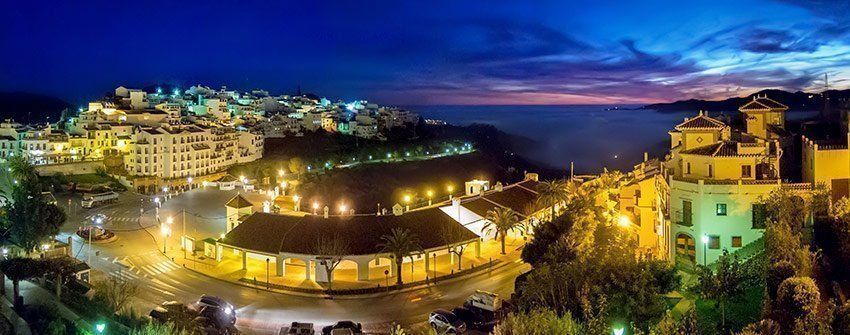
The old town of Frigiliana, of Moorish-Mudejar origin, is one of the best preserved in the province. Strolling through its narrow streets, especially at night, is a unique experience that transports us to times gone by, taking us away from the noise and bustle of modern life. El Barribarto, with its whitewashed façades, shines during the day […]
Statue of the mule
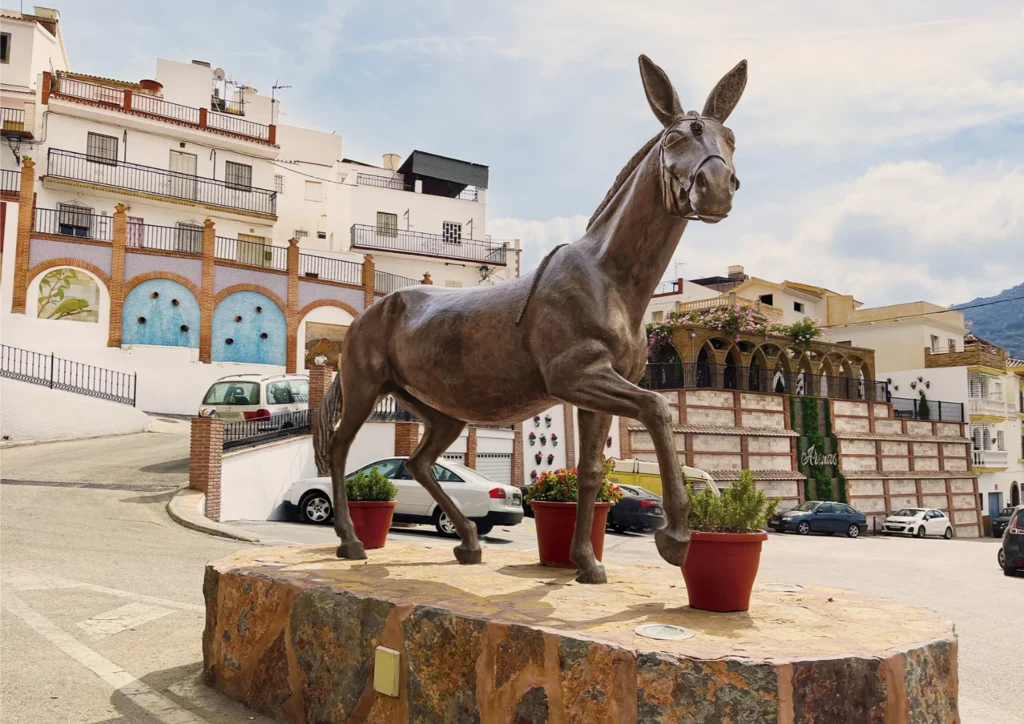
At the entrance to the village there is a monument in honour of the mule, a symbol of hard work and nobility in agricultural labour. Sculpted by José Manuel Casamayor, it was unveiled on 12 October 2014, coinciding with the Mule Fair. This annual event celebrates the historical importance of the mule in […]
Plaza de la Ermita and the Perchel district
It owes its name to the old Hermitage of San Sebastián, which dates back to 1631. All that remains of it are the walls and the outline of what must have been the bell tower on the south façade, just above where the original door was located. By the middle of the last century, it was already in private hands, serving as a cinema and even […]
Market Square and Entrance Arch
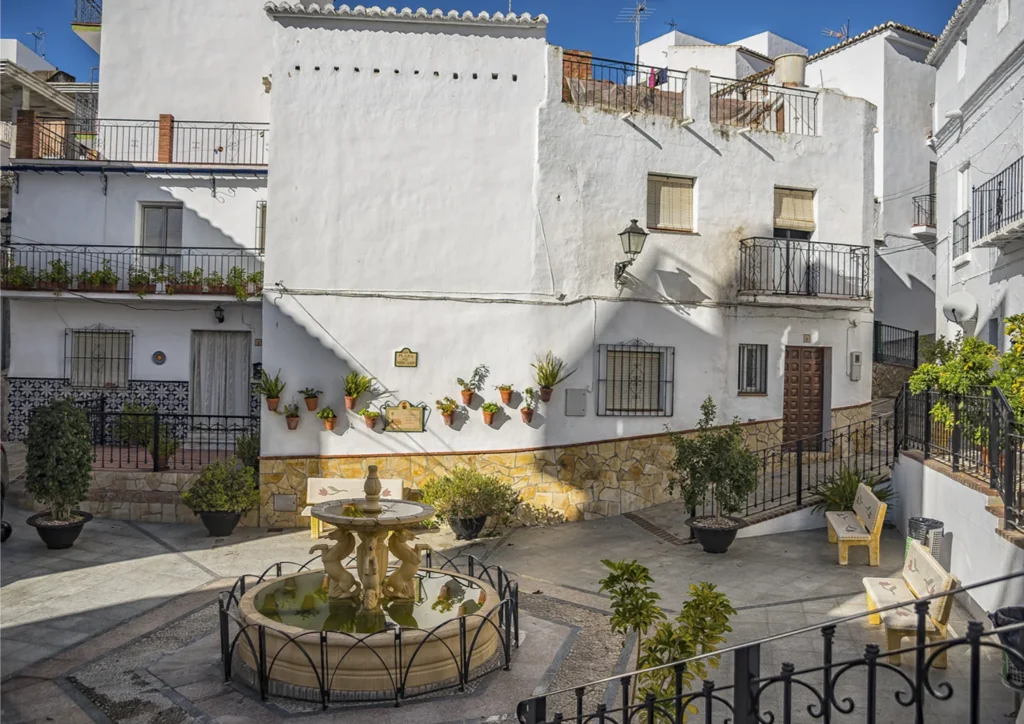
Located in the lowest part of the village, it owes its name to the old Arenas market, built in the middle of the last century. It was shaped like a dovecote and was located in the traditional food market area. A little further down, at the Pozo de los Corredores, the village farmers would gather to sell their produce to [...]
Church of Santa Catalina
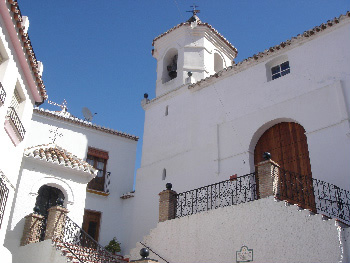
This church was built in the 16th century on the site of the former mosque, and probably on the same spot where a Roman temple once stood. It is built in the Mudejar style, with an octagonal tower similar to others in the province of Malaga. The carving of the Virgin of […] is notable for its great sculptural value.
Fountain and Cantarranas Street
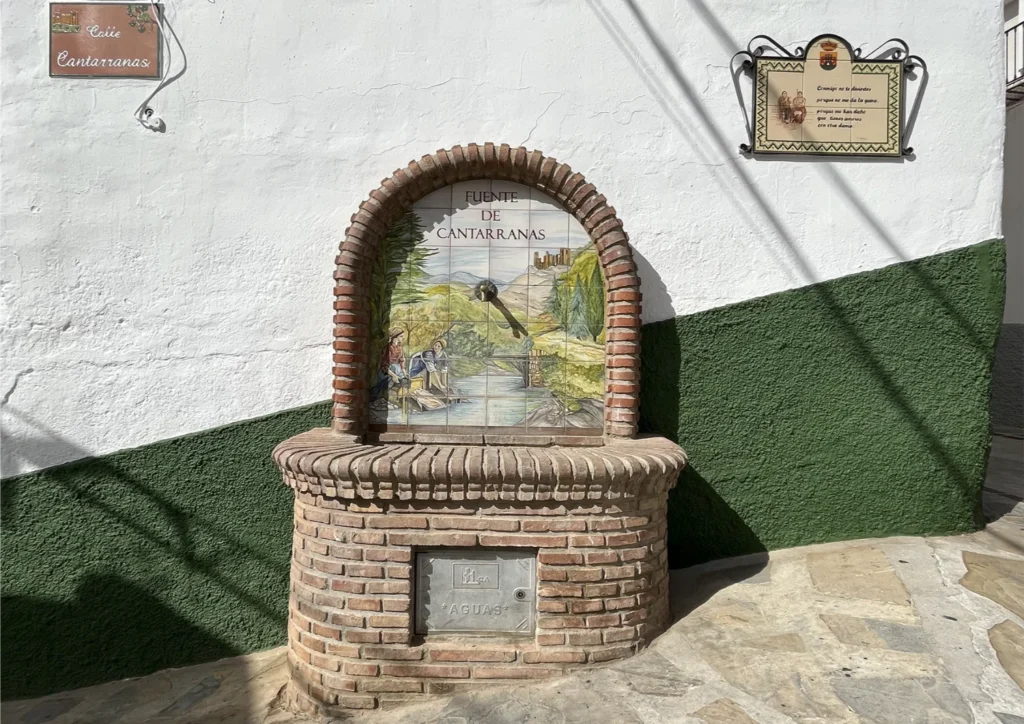
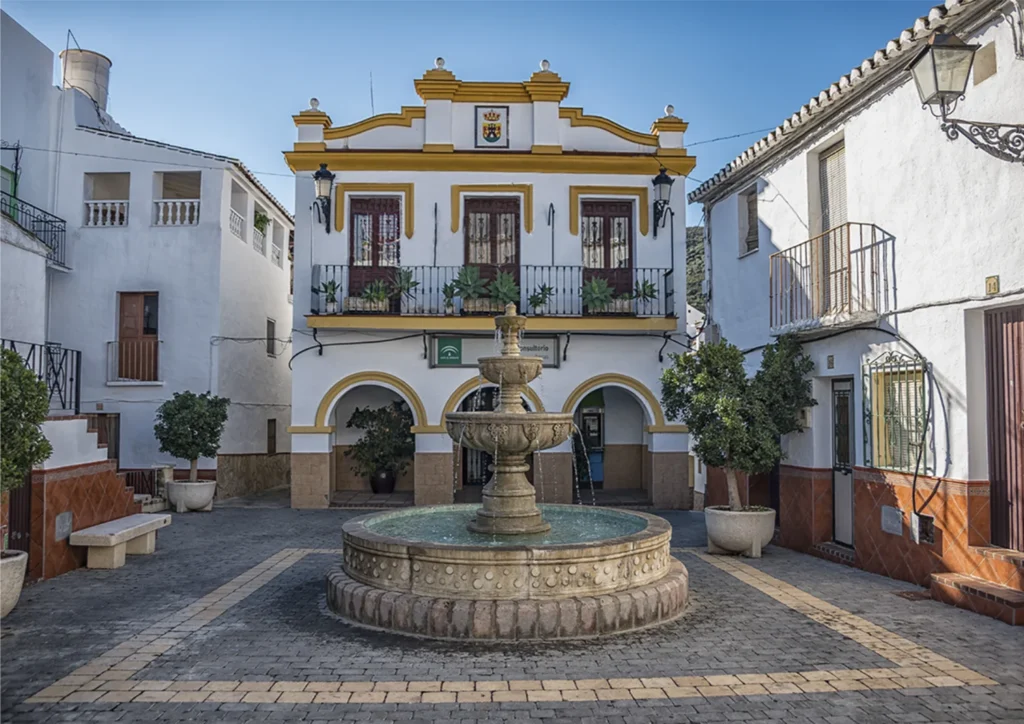
The fountain is located at the beginning of one of the most unique streets in Arenas, as it contains all the essential ingredients of traditional Andalusian streets: narrow, winding, with changes in slope, adorned with flower pots and lined with whitewashed houses. The mosaic on the fountain shows two women washing in the river, as was […]
Peace Square and cemetery
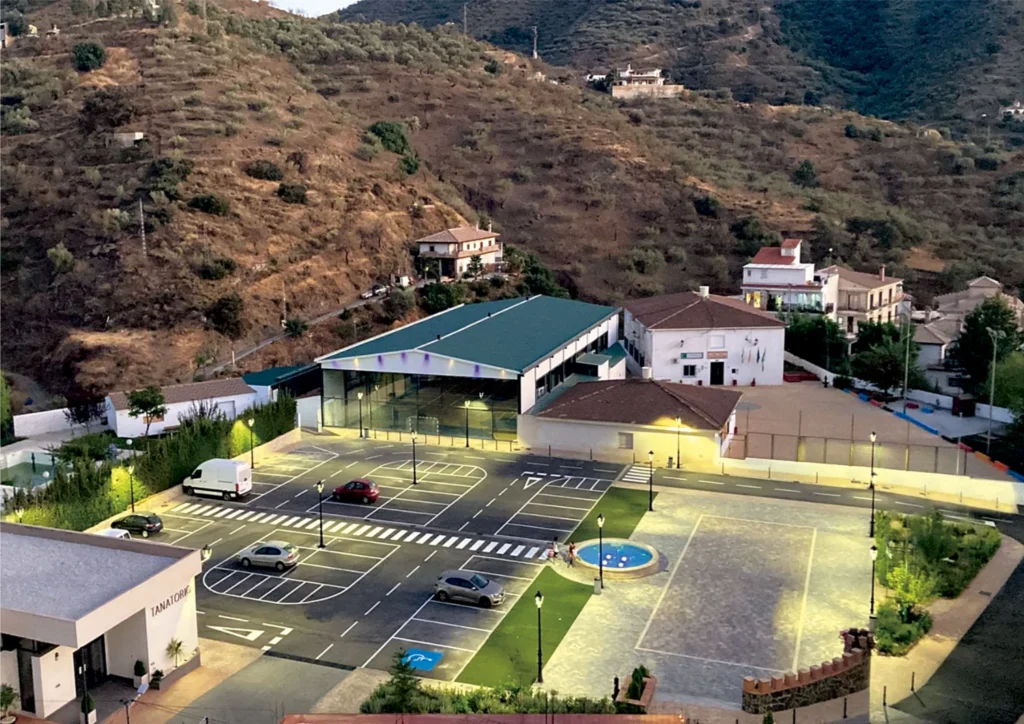
Plaza de la Paz is home to essential services such as a school, sports centre, swimming pool, car park, funeral parlour and cemetery, as well as being the centre of the August fair and Mule Day. The cemetery, renovated in 1934, has a semicircular arch entrance and an elegant colour scheme. Its design in […]
Church of Ntra. Sra. de la Encarnación
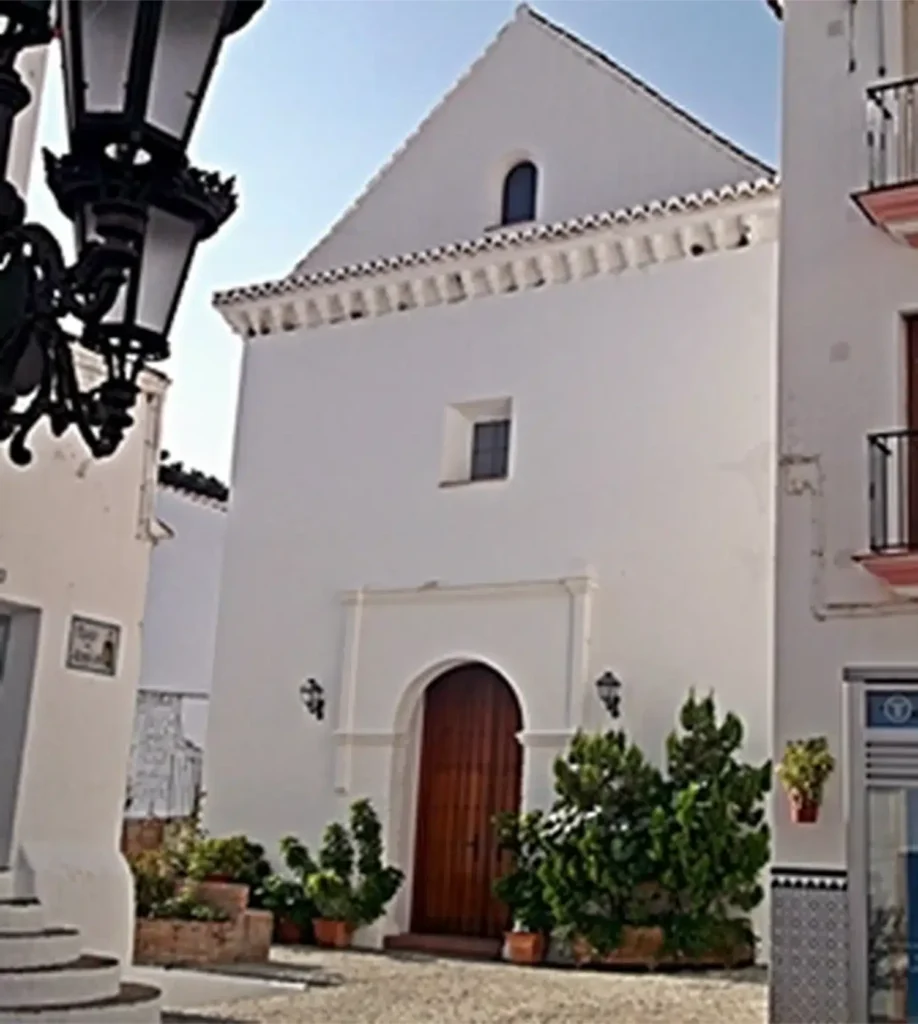
It dates back to the 15th century. It is a Mudejar-style building with a single nave, simple in design, and three dressing rooms behind the chancel. The entrance door is limited to a semicircular arch opening in a rectangle in the shape of an alfiz. On the side walls there are several niches with various images. It was built on the site of an old mosque […]
The Eulalio Mill (Winkler)
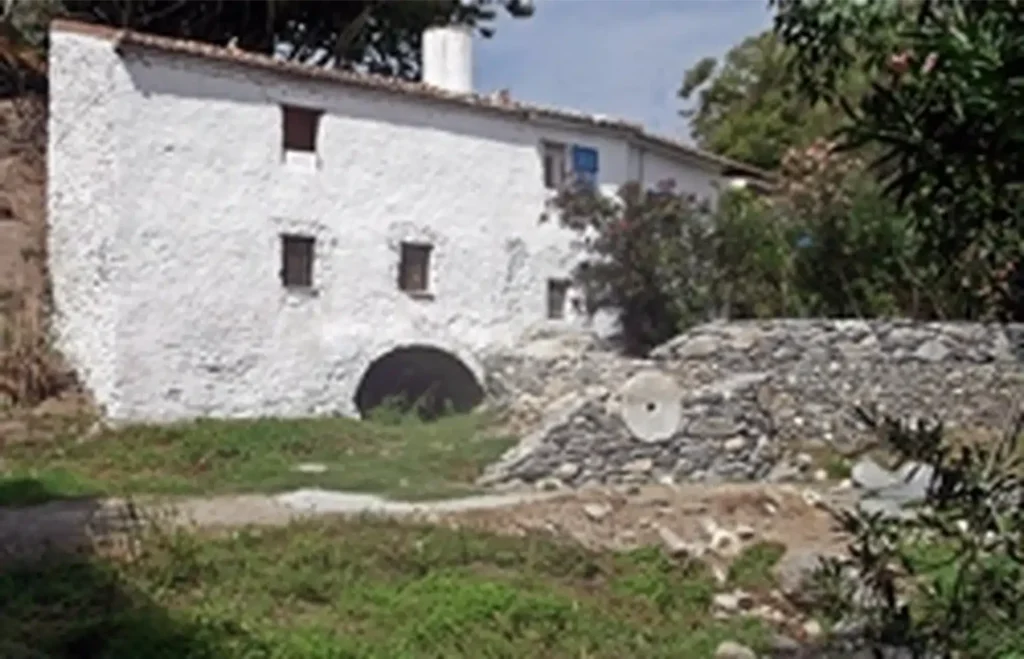
An old flour mill used in the post-war period to distribute food from ration cards. It is currently owned by the Winkler family, a German family who have an agreement with a university in Germany. During the summer, art students come to visit the town to paint its streets and […]
Streets of Árchez
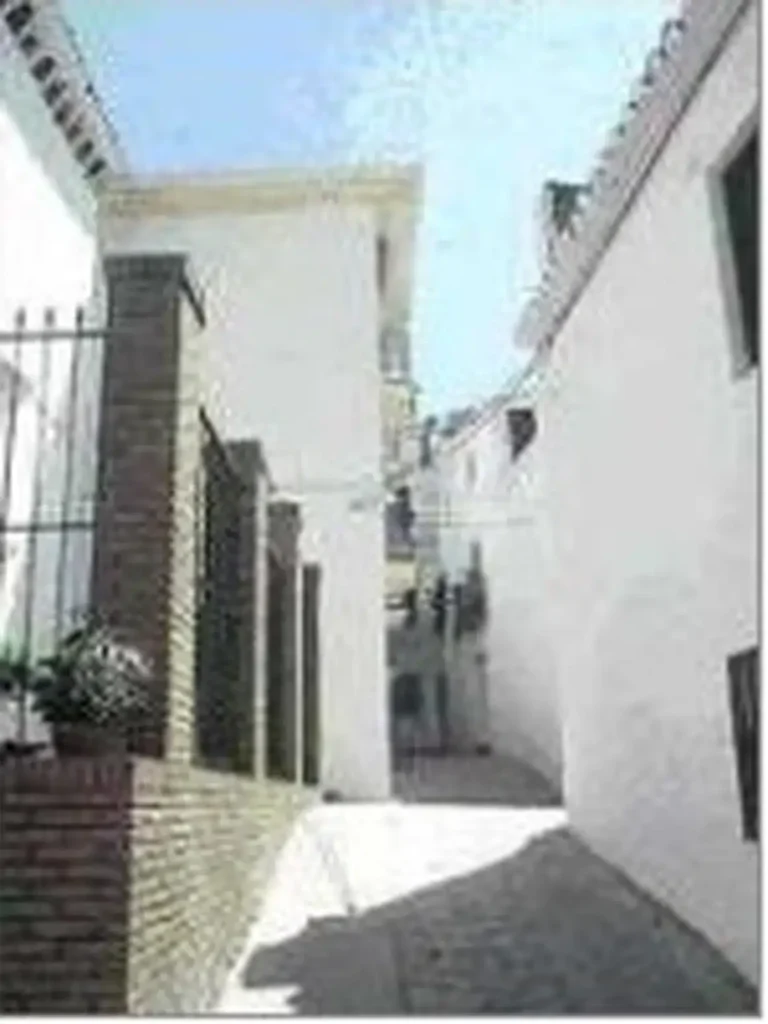
Árchez, known as the Merinite Jewel of the 12th century, has Moorish origins that are reflected in its narrow streets and compact houses. Its town centre is small and moderately elevated. The architecture combines traditional houses with gabled roofs or more recent terraces, many with their own wells. In addition, some houses inspired by […]
 English
  Spanish
  French
  German