Muslim remains of the castle
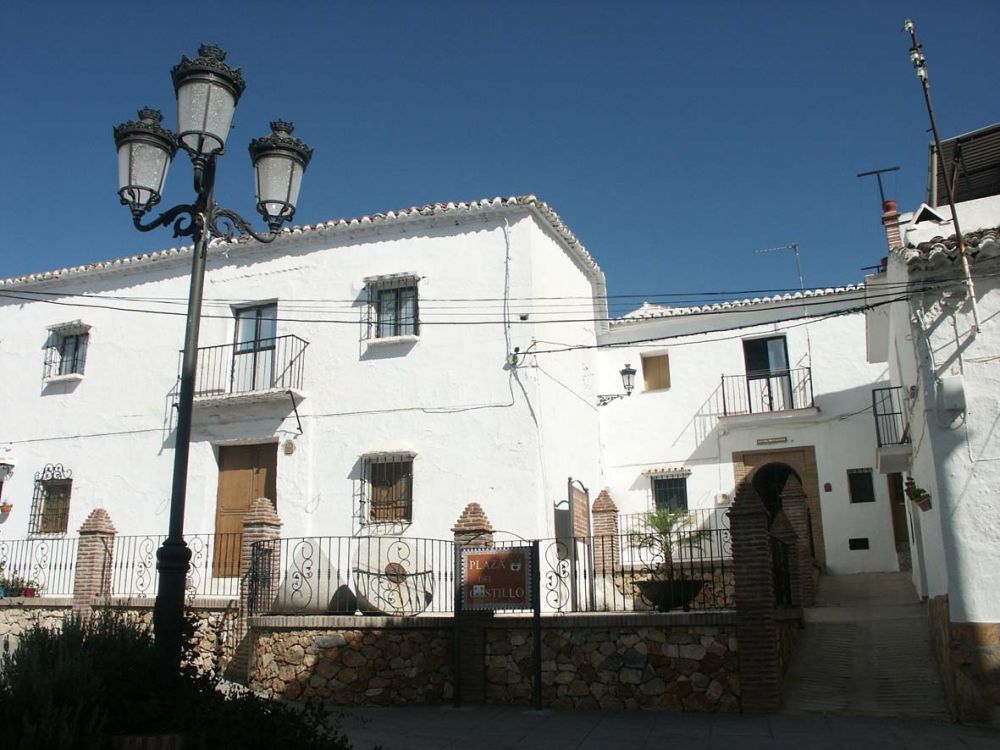
From the viewpoint of the castle and the slope of Calzada street you can still see the remains of the defensive wall that surrounded the village and of what was once a Muslim fortress, taken and occupied by the Christians during the reconquest of 1487 and converted into a castle.
San Pedro Church and Minaret Tower
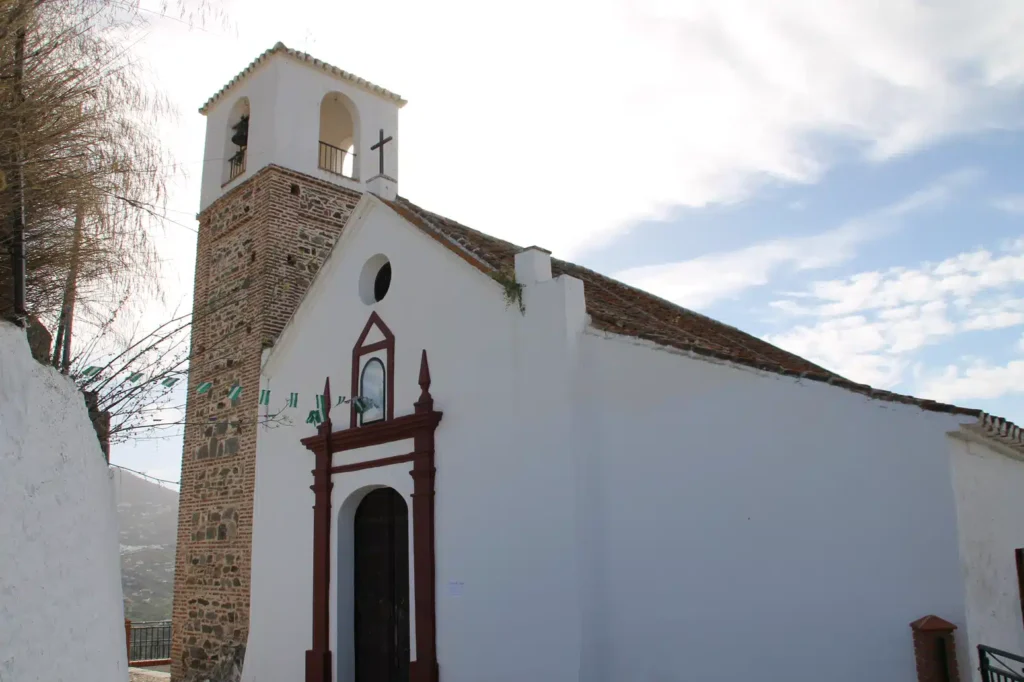
The Mudejar church of San Pedro is located in the hamlet of Corumbela. It was built on top of a mosque, whose minaret has been preserved. The minaret was built in the 14th century in the style of the minarets of Árchez and Salares, constructed of thick flat stones crossed by rows of bricks and […]
Medieval Cistern-Arabic Cistern
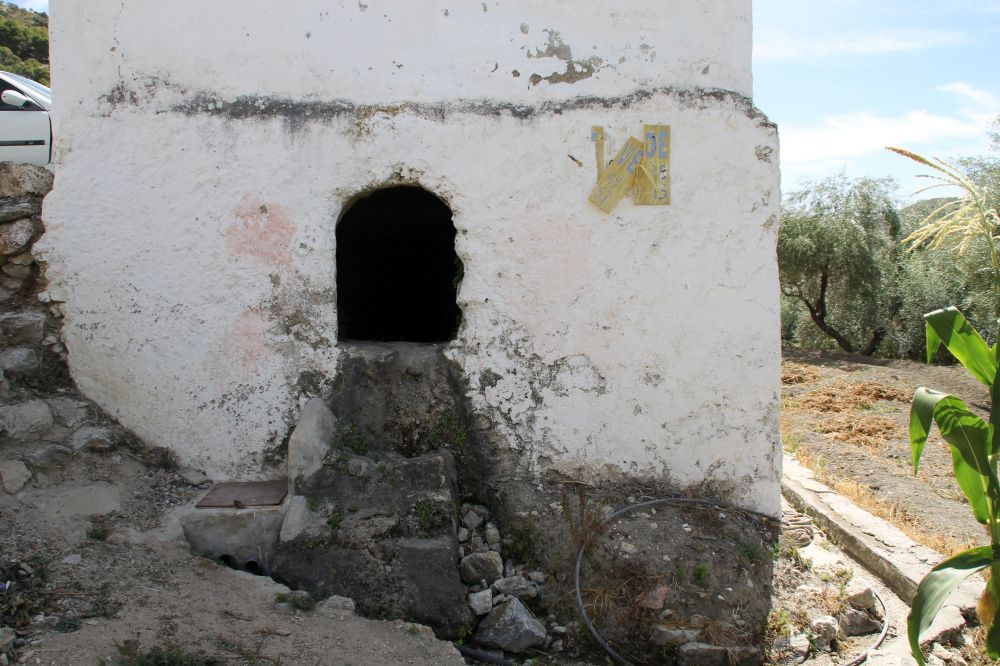
Scattered around the village, different constructions show the importance of the use of water in these lands. An obligatory stop is the 16th century Arab or Medieval cistern, located in Calle Huertezuelo. Other more modern ones are those of El Pilar Grande and El Chico.
El Alminar
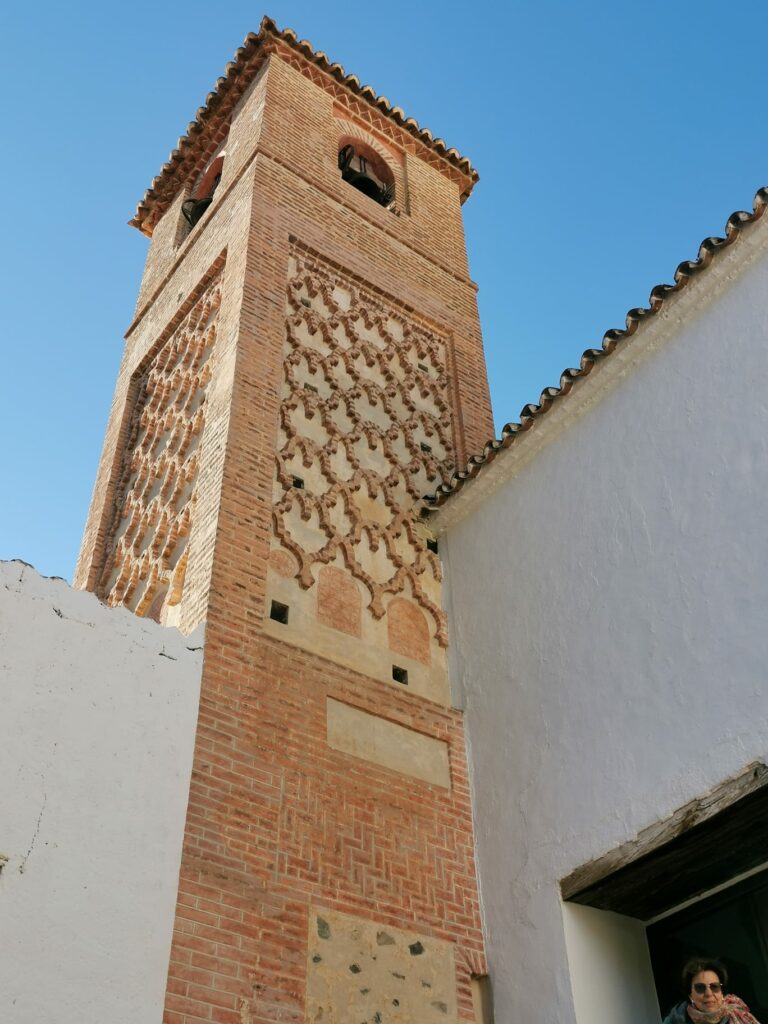
It is part of the town's parish church and was formerly a mosque that was converted into a Christian basilica. This minaret was declared a National Monument on 16 November 1979 and is one of the most beautiful examples of Almohad art on the Iberian Peninsula. Built in red brick between the 13th and 14th centuries, it is a masterpiece of Almohad architecture.
Parish Church of Our Lady of the Rosary and Saint Leo the Great from the 16th century.
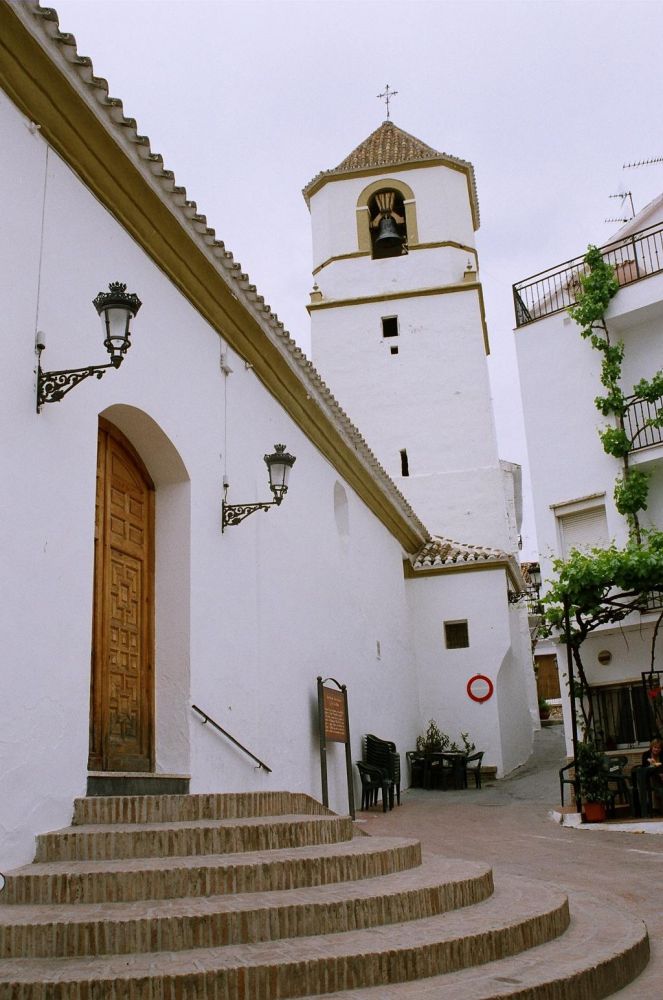
Located in the upper part of the village, its terrace overlooks a beautiful landscape. Built on the site of the old mosque in the 16th century, it is Gothic-Mudejar in style. It was renovated in the 19th century. It has a tower at the head that starts with a square base and ends in an octagonal shape. In […]
Casa de los Diezmos or Casa de la Reina Mora (Tithe House or House of the Moorish Queen)
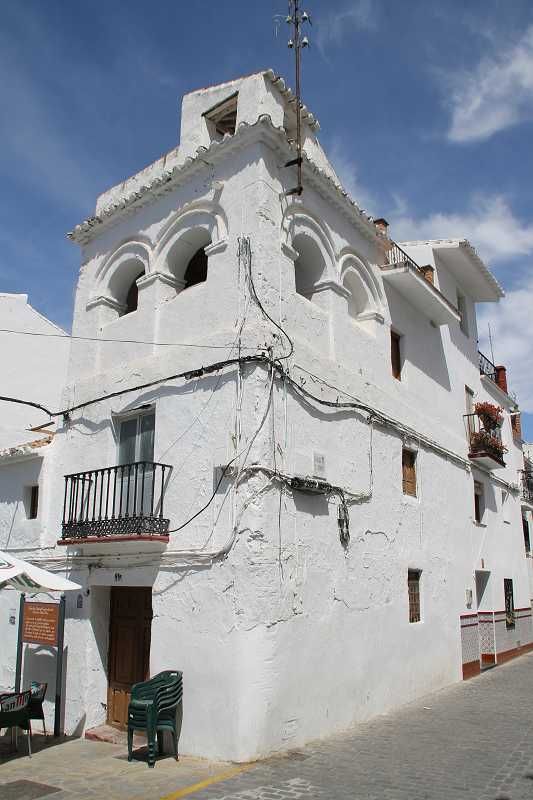
It is an example of the Mudejar architecture that predominates in the Axarquía region. It preserves a tower in the same style with blind mullioned arches. This was where the production and sale of mulberry leaves and silkworms in the area was controlled.
Blas Infante Cultural Centre
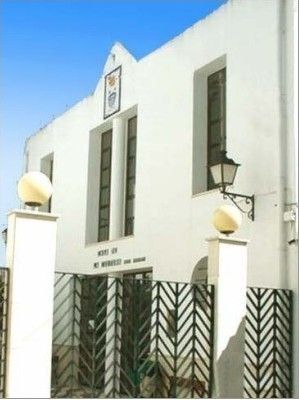
Multi-purpose space dedicated to: cinema, conferences, theatre, exhibitions, etc.
Municipal Museum of Popular Arts
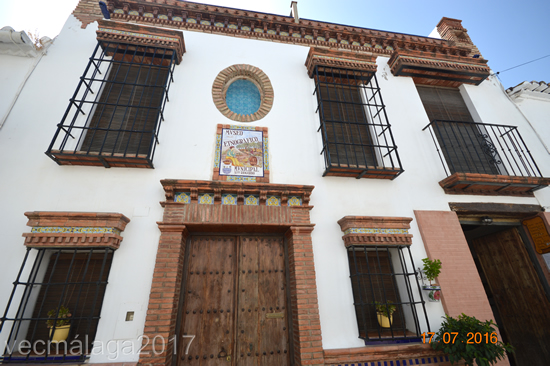
This museum displays ethnographic customs and traditions through an exhibition of household utensils from popular homes. It is located in an old mill and has an exhibition hall for contemporary painters. It includes parts of flour and oil mills, wine cellars, a wine press and the chapel of […]
Constitution Square
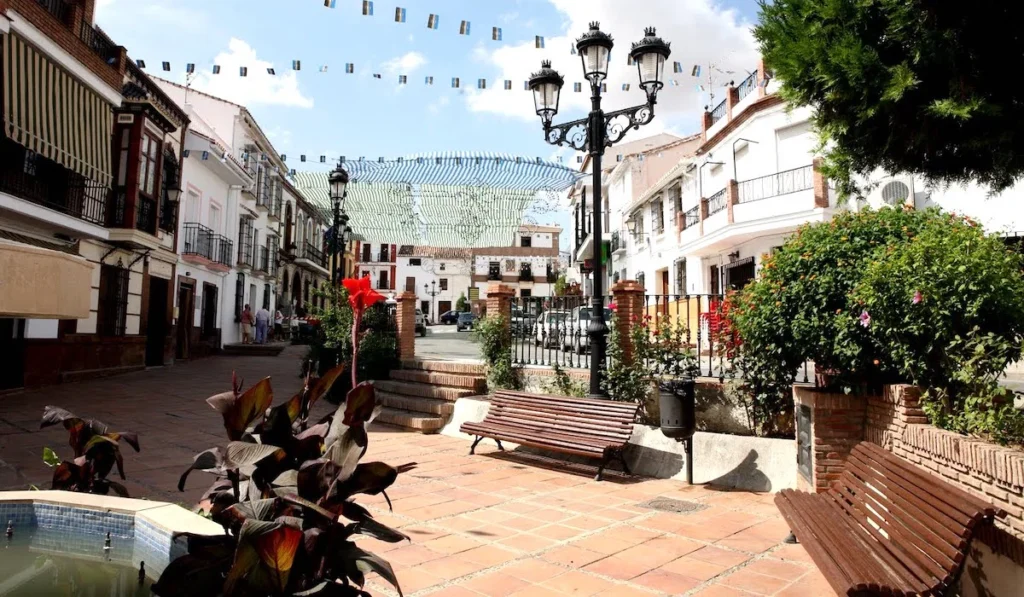
It is the nerve centre of the village, crossed by Calle Real, and from it Calle Iglesia branches off, leading up to the main façade of the Church of Nuestra Señora de Gracia. One side is decorated with blue ceramic mosaics on a rustic brick wall on which […]
Archaeological Sites
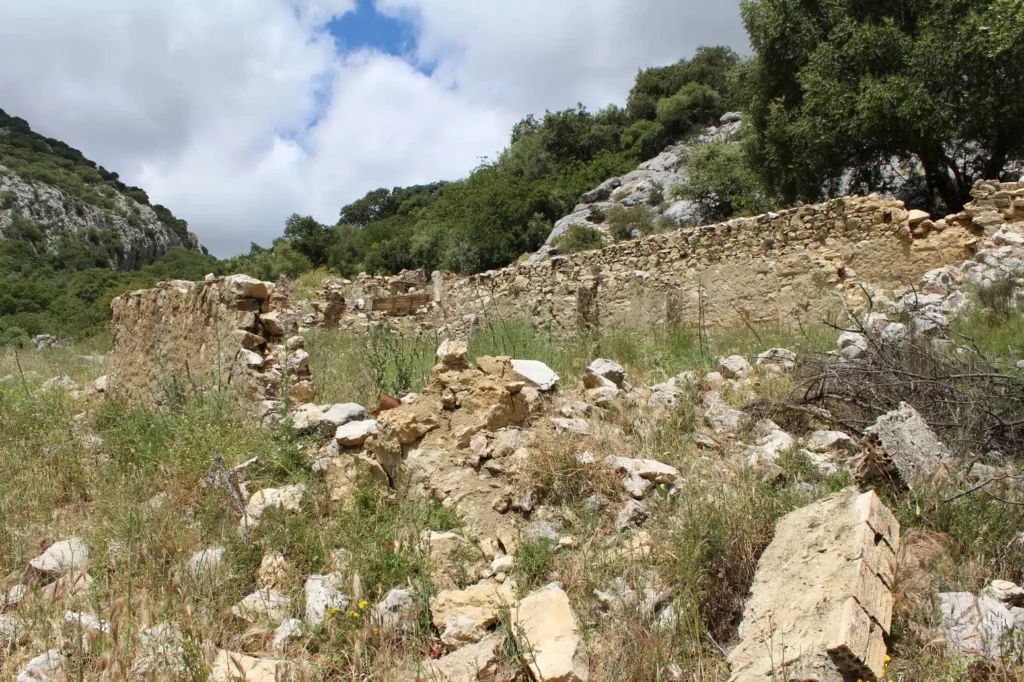
The flow of water from the Río Gordo, which originated in a spring in the area and was named after the minerals it contained, may have been the reason for the first Neolithic settlements in the area. The remains found in Tajo de Gomer date back to this period, and those from the Bronze Age in the […]
 English
  Spanish
  French
  German